
Key Takeaways
- Start with a specialist supplier and verify the exact vehicle, seller and destination requirements.
- Separate permission to buy from export, import and public-road registration.
- Ask for configuration-specific protection evidence and a written support plan.
1. Where to Start Your MRAP Search
Start with a specialist armored vehicle manufacturer or dealer and ask which vehicles can be supplied for your destination and intended use. If you are considering a privately owned or surplus vehicle, verify its ownership history, sale eligibility and condition before committing. A listing alone does not establish permission to import, register or drive it.
For a SchutzCarr inquiry, compare MRAP and APC options, then share your destination, passenger needs and operating routes. You can also review selected stock vehicles; confirm availability and the proposed configuration with the team.

2. What Mine Resistant Ambush Protected Actually Means
MRAP stands for Mine Resistant Ambush Protected. When a vehicle is described as an MRAP or “MRAP-style,” ask what that description means for the particular configuration being offered.
A vehicle’s appearance, ride height or hull shape is not a substitute for test evidence. Request the applicable standards, test reports and scope of protection, including any stated limits. Ballistic and blast protection need separate verification; a ballistic rating alone does not establish mine or underbody blast protection.
3. Confirm the Proposed Vehicle and Its Evidence
Ask the supplier to identify the exact model, chassis, seating layout and equipment included in the proposal. Confirm whether the offer is for an existing vehicle, a refurbished vehicle or a new build, and request the supporting specification.
Check which test reports and certificates apply to that configuration, what was tested and by whom. Ask about loaded weight, axle limits, payload, braking and suspension. Do not assume that evidence for a material, component or different model establishes the performance of the complete vehicle being offered.

4. The Buying Path: From First Message to Vehicle Keys
Begin with your intended use and destination. A useful first message includes the number of passengers, equipment load, route conditions, protection requirements and delivery timeline.
- Identify suitable vehicle options and confirm current availability.
- Review the proposed specification and configuration-specific protection evidence.
- Check ownership, sale, export and import documentation with the relevant parties.
- Confirm inspection, transport, handover and maintenance arrangements in writing.
Use the contact page to discuss your requirements. Confirm what is included before agreeing to an order; do not assume that inspection, certification or registration services are included.

5. Buying, Importing and Road Registration Are Separate Checks
Permission to purchase a vehicle does not by itself establish permission to export it, import it or use it on public roads. Ask the relevant authorities and a qualified local adviser about the exact vehicle, destination and intended use before purchase.
For US surplus property, the Defense Logistics Agency explains that only property appropriate and safe for public sale may be sold. This is not confirmation that a particular intact MRAP is available or eligible for civilian purchase. Verify the specific sale and any transfer restrictions.
For vehicles imported into the United States, consult NHTSA’s vehicle importation guidance. Import eligibility, safety documentation and local registration should be checked separately; other destinations have their own requirements. Confirm any applicable emissions, insurance and driver licensing requirements as well.

6. Match the Vehicle to the Work
Describe the operation before choosing a platform: personnel movement, humanitarian access, convoy support or another defined role. Include passenger numbers, equipment, terrain, daily travel distances and access to servicing.
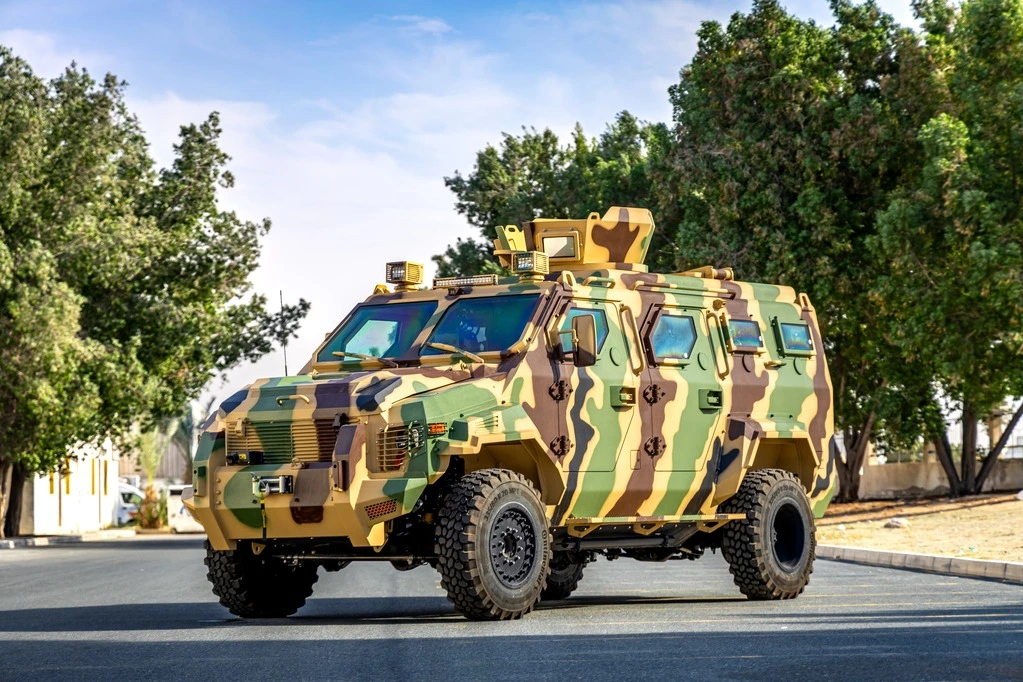
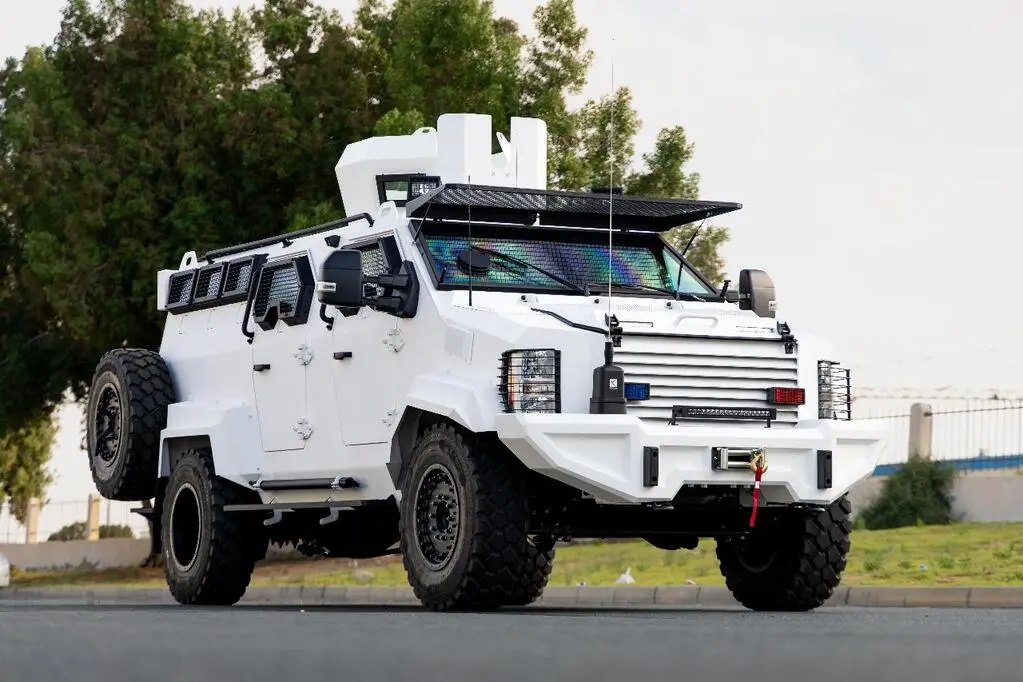
You can review the APC SHARK and APC JASAR as starting points for a discussion. Confirm the specifications and evidence for any proposed vehicle rather than assuming that an APC designation establishes a particular level of mine protection.

7. What to Verify Before Buying a Civilian MRAP
- Vehicle identity and ownership: confirm the model, chassis or vehicle identification number, seller’s authority to sell, ownership history and any transfer restrictions.
- Destination and intended use: confirm who will own and operate the vehicle, where it will be used, and which export, import and registration checks apply.
- Protection evidence: request the exact standard, test report, tested configuration and limits. Check ballistic and blast claims separately rather than treating different rating systems as interchangeable.
- Loaded weight and mobility: review passenger and equipment loads, axle limits, tires, braking, recovery needs, transport dimensions and any licensing requirements.
- Condition and inspection: obtain service records where available and arrange a suitable inspection, especially for a used or refurbished vehicle.
- Maintenance and support: confirm spare parts, servicing locations, training, warranty terms and responsibilities in writing.
Discuss the support you need through SchutzCarr Services. The answers should relate to the vehicle and destination in your proposal, rather than a generic assurance about all armored vehicles.

8. Your Next Step
Use the checklist to prepare your questions, then compare MRAP and APC options. If you are ready to discuss a vehicle, send your destination and requirements to SchutzCarr. Availability, protection evidence, documentation and delivery arrangements need confirmation for the proposed configuration.
