
Layered resistance
Transparent armor is selected and installed around ballistic performance, clarity, edge fit, and durability.

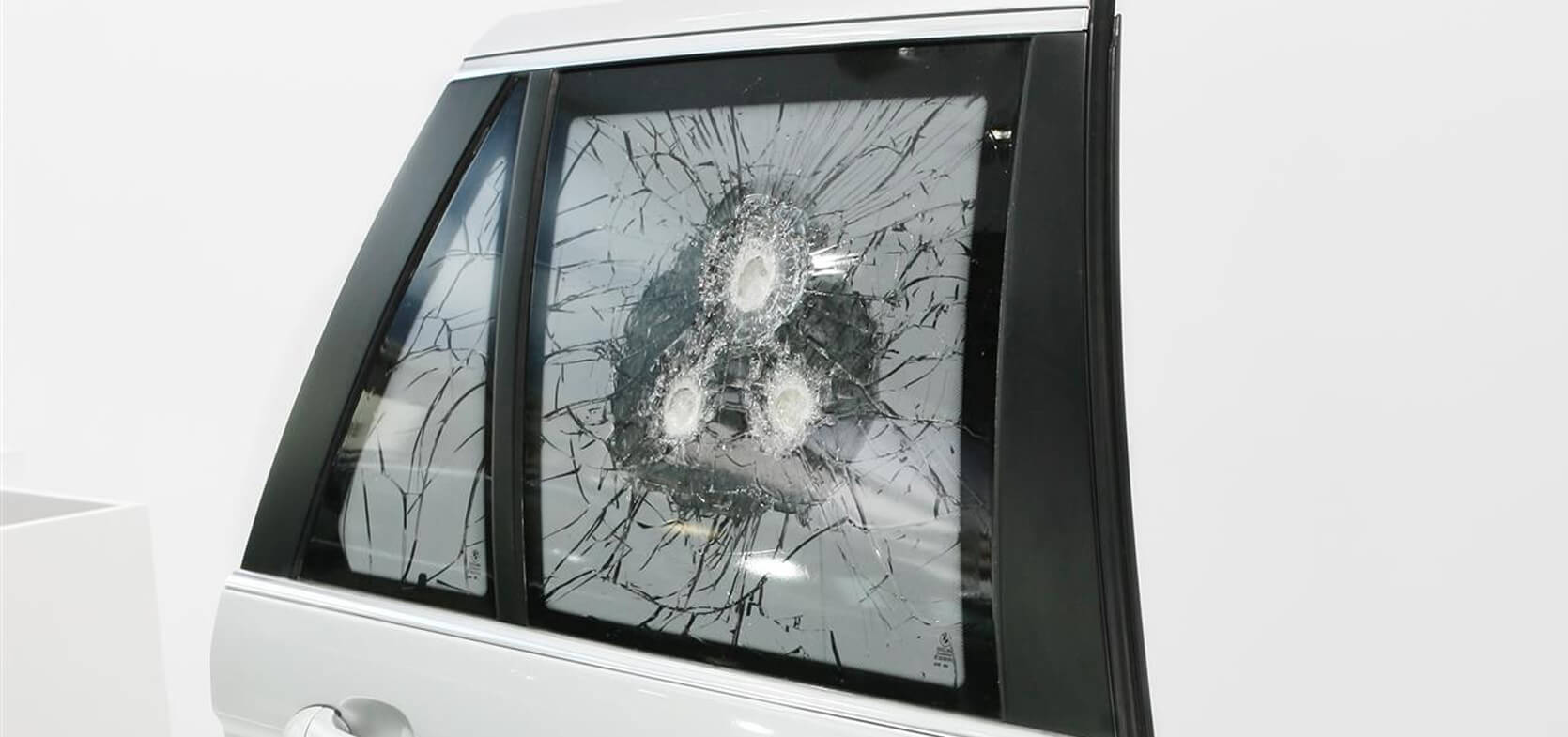
Transparent Armor
Capability Overview
Transparent armor and ballistic glass solutions engineered for visibility and resistance.
Transparent armor is selected and installed around ballistic performance, clarity, edge fit, and durability.
Glass geometry, frames, seals, doors, and window operation are considered during the specification.
Windshield, side glass, rear glass, and framing are treated as part of the same protection system.
Process
Service Detail
The goal is to turn a security requirement into a practical specification that can be manufactured, inspected, exported, and used confidently.
Transparent armor is selected around clarity, distortion control, and practical driver visibility.
Frames, seals, window shape, glass thickness, and door usability are planned before installation.
Windshield, side glass, rear glass, and exposed edge conditions are treated as one protection system.
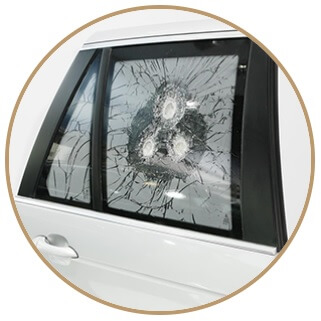
Specification Planning
Thickness depends on protection level, vehicle geometry, and operational requirements.
Installation is planned around door load, weather sealing, and long-term durability.
Clarity and viewing angles remain central to the specification.
Glass works with steel, overlap zones, and body reinforcement.
Service Questions
No. Ballistic glass is one part of the protection envelope. Steel, overlaps, pillars, doors, roof, floor, hinges, tires, and systems also matter.
Thickness depends on the requested protection level, vehicle geometry, glass size, frame strength, door load, visibility requirements, and installation method.
Often, yes. Replacement or upgrade work depends on frame condition, door structure, existing glass specification, seals, and the desired protection level.
Transparent armor must be selected and installed carefully to control distortion, maintain sightlines, and preserve practical driver visibility.
Related Planning
Related Services
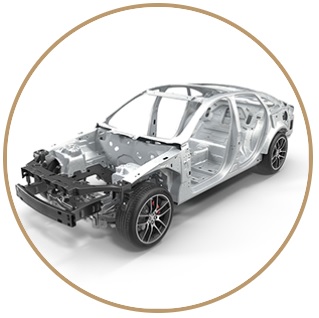 Building Armored VehiclesControlled armored vehicle manufacturing, disassembly, reinforcement, ballistic glass installation, finishing, and inspection.
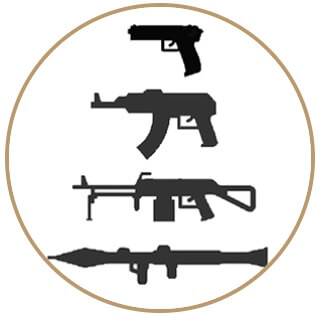 Protection Levels AnalysisProtection level analysis for vehicles, routes, usage, passengers, and operational threats.
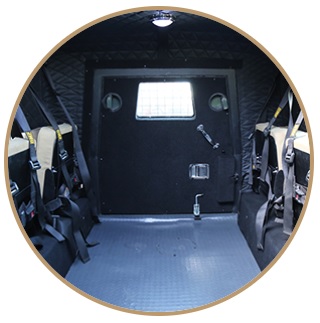 ArmoringVehicle armoring across protection levels 4, 5, 6, and 7, customized by vehicle and mission.
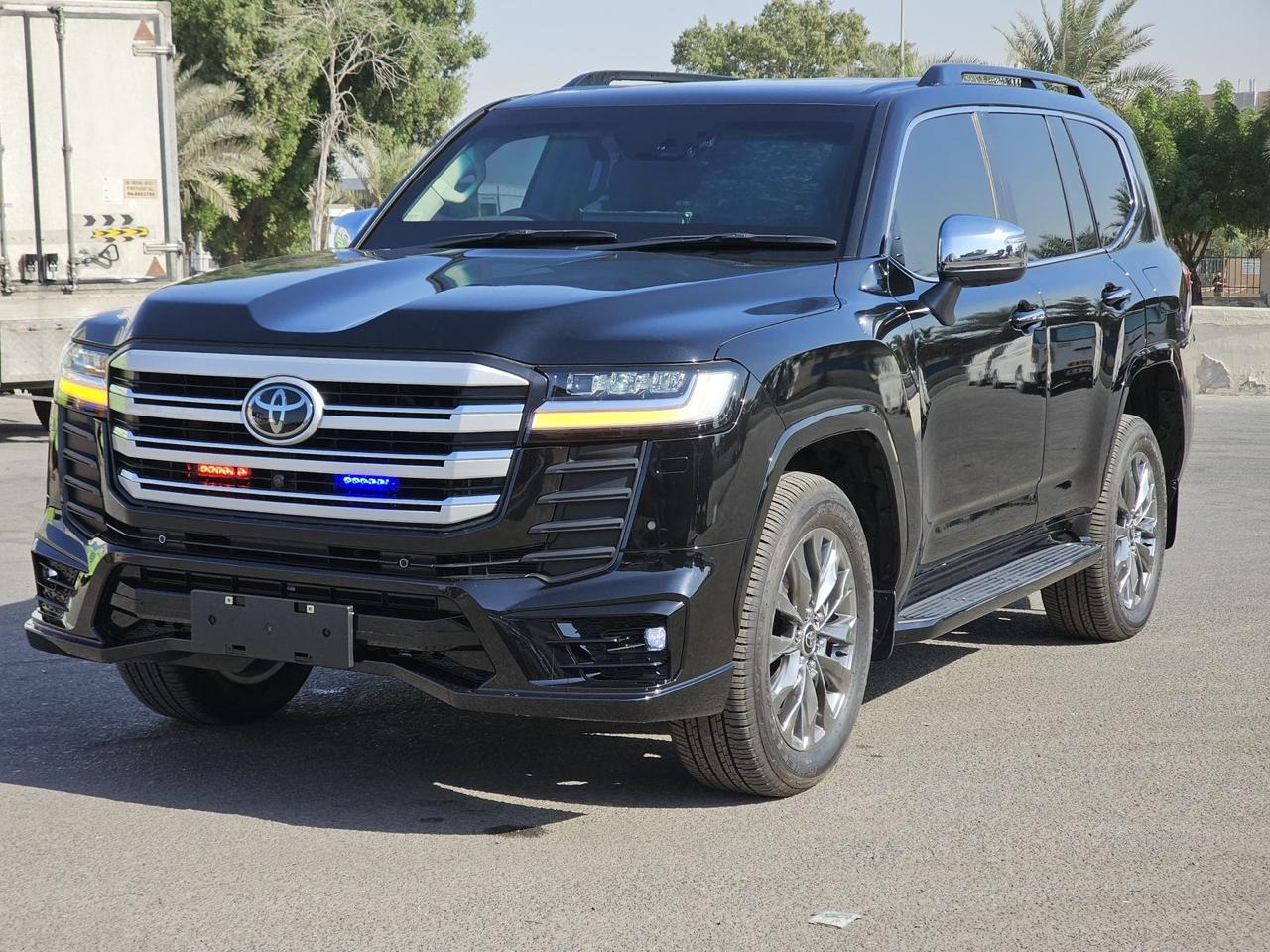 Destination ArmoringIn-country vehicle armoring and local protected vehicle production planned around feasibility, facilities, workforce, logistics, and joint quality controls.