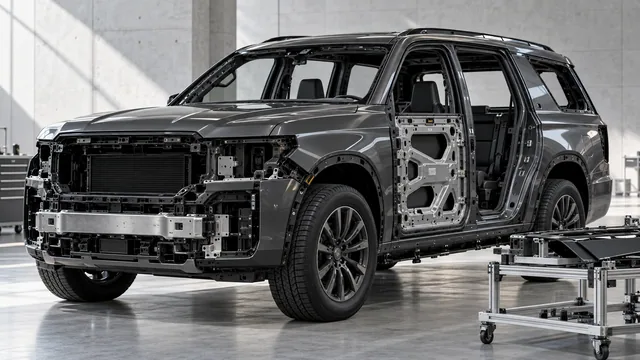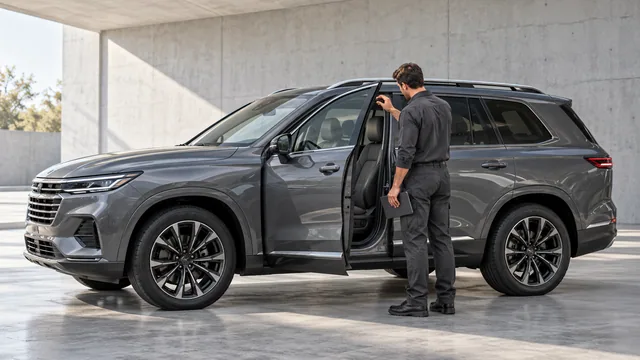

Client vehicle armoring
Feasibility-led protection integration for suitable SUVs, sedans, pickups, buses, cash-in-transit vehicles, and support platforms already available to the program.

In-country protected vehicle production
SchutzCarr can engineer and support an armoring program where your vehicles operate—combining protection design, approved materials, specialist supervision, local facilities, and joint project controls.
Direct answer
Destination armoring is a controlled project model for producing protected vehicles in the country or region where they will operate. SchutzCarr evaluates the mission, vehicles, facility, workforce, protection requirement, local support, and regulatory pathway before a program is approved.
It is not a universal armor kit or an automatic promise of local production. Every program is engineered around the approved platform, destination, operating conditions, and responsibilities agreed by SchutzCarr and the client.
Potential program fit
Existing SchutzCarr platforms
Destination armoring is platform-led. These current vehicles show the range of SUV, luxury, sedan, APC, cash-in-transit, passenger, and utility formats that can be assessed for a local program.
SUV platform2025 Toyota Land Cruiser 300 VXRA current flagship platform for high-mobility protected fleet requirements.View vehicle
Luxury platformRange Rover 2024 ExtendedA long-wheelbase luxury SUV option for discreet executive mobility.View vehicle
Sedan platformLexus LSA newly listed luxury sedan platform for executive and institutional protection programs.View vehicle
APC platform2025 APC Merkava Sagiv 79 4x4 AT BR6A current 4x4 personnel-carrier platform for demanding protected mobility missions.View vehicle
Cash-in-transit platformArmored Toyota HiaceA configurable commercial platform for protected cash and valuables logistics.View vehicle
Passenger platformToyota Coaster Bus BR6A larger protected passenger platform for teams, crews, and operational movement.View vehicle
Pickup platformToyota Hilux Adventure SR5 BlackA practical utility platform for protected support, escort, and field operations.View vehicle
Fleet platformGMC Yukon DenaliA full-size SUV option for scalable fleet conversion and executive transport programs.View vehicleProgram scope
Scope is set after feasibility. Vehicle structure, weight, payload, condition, parts support, serviceability, and the required protection outcome all influence what can be delivered responsibly.
Feasibility-led protection integration for suitable SUVs, sedans, pickups, buses, cash-in-transit vehicles, and support platforms already available to the program.
Repeatable conversion planning for approved multi-vehicle fleets, with common specifications, staged production, controlled records, and acceptance requirements.
Controlled assembly and production support for approved armored personnel carrier programs, aligned with the selected chassis, mission, facility, and workforce.
Protected mobility solutions for cash logistics, personnel movement, command, support, and other mission-specific operating requirements.
Vehicle-specific planning for armor, ballistic glass, access systems, run-flats, suspension, brakes, cabin layouts, communications, lighting, cameras, and secure storage.
Seven-stage delivery path
The sequence protects the project from premature mobilization and keeps engineering, logistics, production, and local coordination connected.
Start with your project briefDefine country, vehicles, quantities, mission, threat profile, protection objective, schedule, and delivery expectations.
Review the vehicles or chassis, facility, equipment, workforce, local support, and regulatory pathway before approving the program.
Prepare the protection concept, production sequence, materials plan, responsibilities, quality controls, and mobilization requirements.
Coordinate approved armor materials, ballistic glass, components, specialist tooling, documentation, shipping, clearance, and secure staging.
Deploy the agreed SchutzCarr technical team after the facility, vehicles, tools, people, access, and local logistics are ready.
Execute production with defined work instructions, technical supervision, local workforce coordination, quality records, and issue control.
Complete agreed inspections, documentation, handover, lessons learned, and the readiness decision for repeat or higher-volume production.
Readiness gates
A readiness review identifies gaps early, before materials, specialists, vehicles, and production schedules are committed.
Approved platforms, quantities, operating environment, passenger or payload needs, and realistic protection objectives.
Controlled access, suitable floor space, power, ventilation, lighting, storage, fire safety, and working zones appropriate to the program.
Lifting, cutting, forming, welding, handling, measuring, local technical support, and accountable site leadership.
Named decision-makers, permits, customs, access, logistics, records, inspections, and responsibilities confirmed before mobilization.
What the review looks at
Exterior format is only the beginning. Cabin layout, platform controls, protected access, storage, and mission equipment all affect the engineering and production plan.

Interior layouts, seating, and equipment are reviewed against passenger, payload, and mission needs.

The base vehicle, driver environment, access points, and serviceability all inform feasibility.

Special-purpose equipment can be planned around secure access, storage, cameras, and operational workflow.

Personnel-carrier programs are shaped by protection, visibility, access, crew movement, and mission equipment.

Project qualification
A useful first review starts with practical operating and production inputs. If some details are not yet known, SchutzCarr can identify what needs to be confirmed next.
Destination and compliance review
Permits, customs, taxation, certification, labor rules, site access, and authority approvals vary by destination. Any schedule, saving, production volume, or local-content outcome is project-specific and must be confirmed with the relevant parties before commitment.
Frequently asked questions
Destination armoring is a project model in which SchutzCarr plans and supports protected vehicle production in the country or region where the vehicles will operate. The final program is defined only after vehicle, facility, workforce, protection, regulatory, and schedule requirements are reviewed.
Potentially, yes. Each vehicle or chassis must first pass a feasibility review covering structure, condition, payload, serviceability, parts support, glass geometry, and suitability for the required protection level.
A program may cover suitable SUVs, sedans, pickups, buses, cash-in-transit vehicles, support vehicles, armored personnel carriers, or other special-purpose platforms. Vehicle availability does not guarantee suitability; every platform is assessed before approval.
Typical client-side requirements include a secure facility, utilities, controlled access, suitable machinery and lifting equipment, vehicles or chassis, local technical support, permits, customs coordination, and local logistics. The exact responsibilities are agreed before mobilization.
Protection is specified from the threat profile, mission, routes, occupants, payload, platform limits, and applicable standards. SchutzCarr does not treat the highest available level as automatically appropriate for every vehicle or operation.
Local production may reduce some finished-vehicle shipping, handling, or coordination burdens, but any customs, tax, certification, or cost outcome depends on the destination and the relevant authorities. SchutzCarr reviews these factors with the client and does not promise a universal saving.
The approved project defines work instructions, technical supervision, inspection points, issue escalation, quality records, acceptance responsibilities, and handover requirements. The exact testing and documentation scope depends on the vehicle, protection requirement, destination, and agreement.
Send the country or region, responsible organization, intended use, vehicle or chassis types and quantities, protection direction, facility and machinery available, local workforce, and target schedule. SchutzCarr can then identify the next feasibility questions.
Destination armoring by SchutzCarr