
Protection envelope
Steel, glass, roof, floor, doors, firewall, and critical gaps are integrated into a cohesive armored shell.

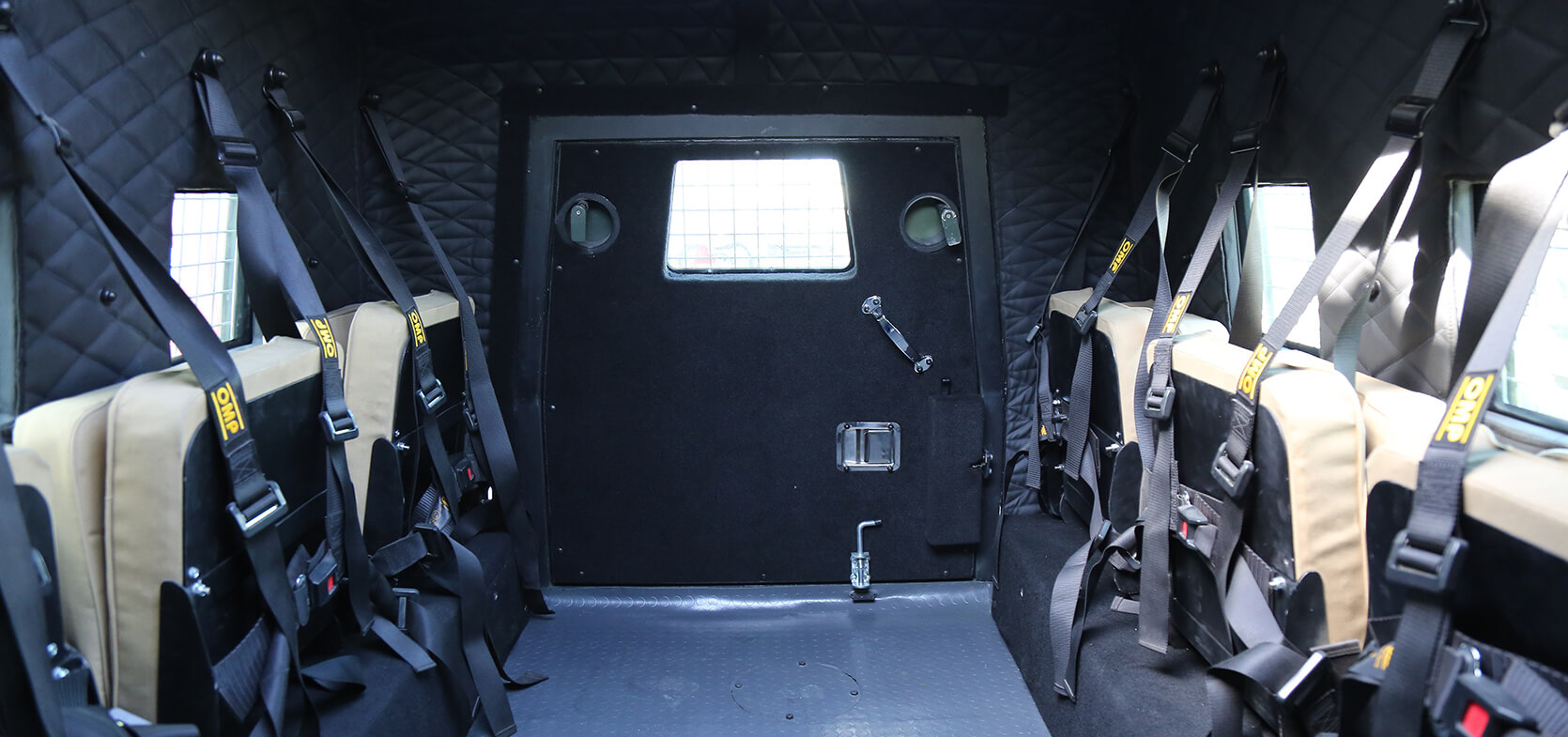
Protection Integration
Capability Overview
Vehicle armoring across protection levels 4, 5, 6, and 7, customized by vehicle and mission.
Steel, glass, roof, floor, doors, firewall, and critical gaps are integrated into a cohesive armored shell.
Suspension, tires, brakes, electrical load, and weight distribution are planned around the final vehicle.
The final build can include run flats, communications, lighting, cameras, secure storage, and other options.
Process
Service Detail
The goal is to turn a security requirement into a practical specification that can be manufactured, inspected, exported, and used confidently.
Steel, glass, doors, pillars, roof, floor, firewall, and overlap zones are planned as one system.
Suspension, tires, braking, electronics, seating, and climate comfort are considered around added weight.
Run flats, communications, lighting, cameras, sirens, secure compartments, and other options can be specified.
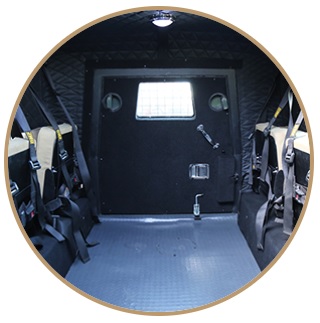
Specification Planning
Protection level is selected around real threats and intended operating conditions.
The base vehicle is matched to payload, drivetrain, and deployment needs.
Armoring is planned around handling, reliability, and service access.
Equipment is selected around the client’s daily operating reality.
Service Questions
The protection envelope can include steel, ballistic glass, doors, pillars, roof, floor, firewall, rear area, overlap zones, tires, suspension, and supporting systems.
Timelines vary by vehicle, protection level, equipment, and export requirements. Many projects are planned in multi-week phases from teardown to inspection.
Yes, when the project is planned correctly. Seating, climate comfort, visibility, electronics, door operation, and ride quality are considered around added weight.
Yes. Run-flat systems, cameras, lighting, communications, sirens, secure storage, and other mission-specific options can be planned with the armor package.
Related Planning
Related Services
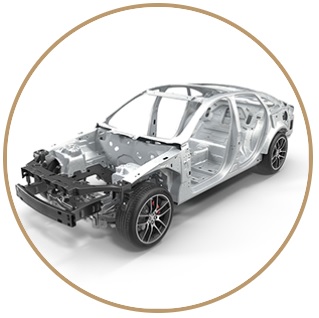 Building Armored VehiclesControlled armored vehicle manufacturing, disassembly, reinforcement, ballistic glass installation, finishing, and inspection.
 Protection Levels AnalysisProtection level analysis for vehicles, routes, usage, passengers, and operational threats.
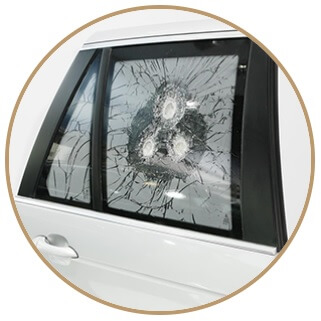 Ballistic GlassTransparent armor and ballistic glass solutions engineered for visibility and resistance.
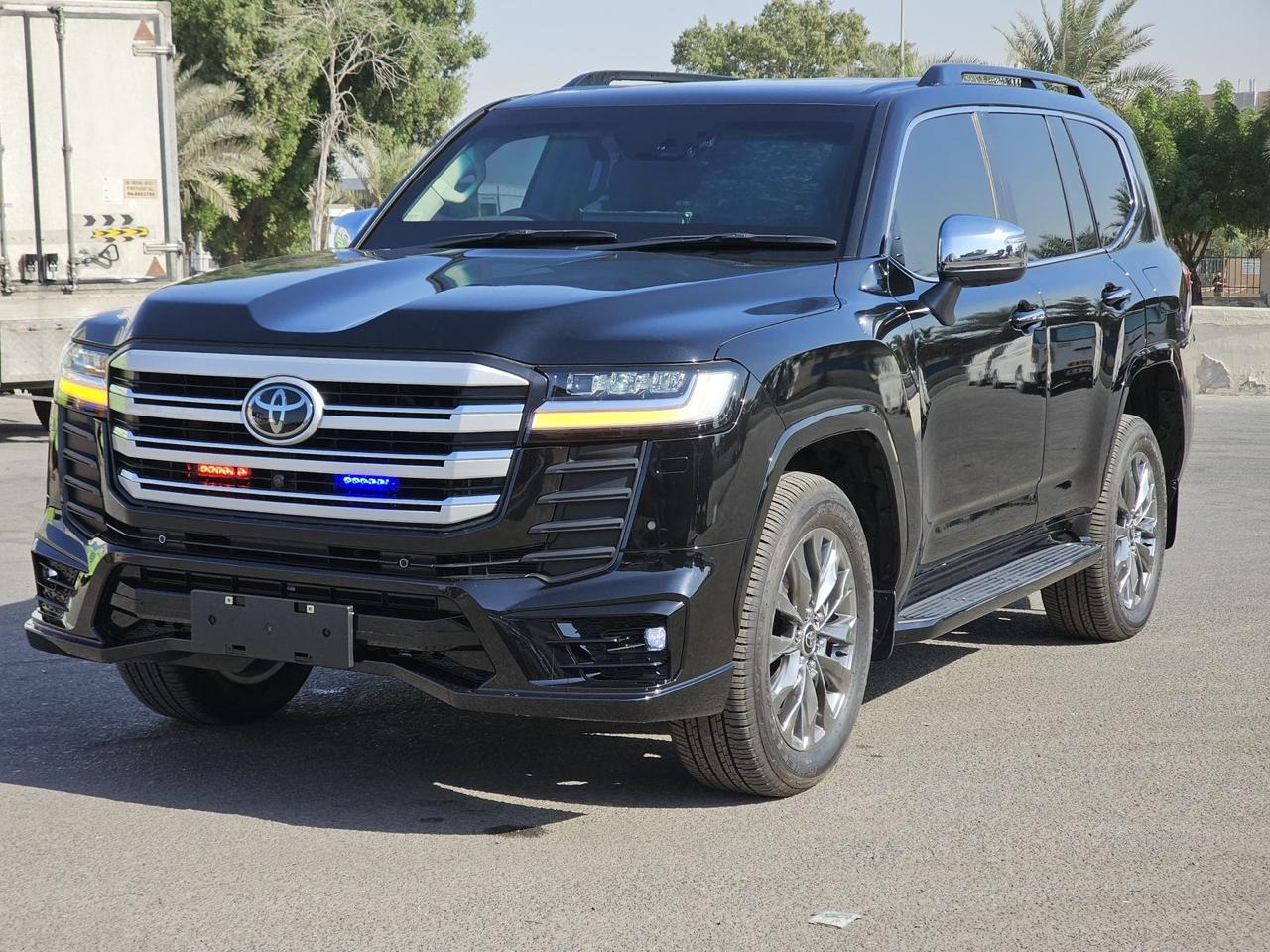 Destination ArmoringIn-country vehicle armoring and local protected vehicle production planned around feasibility, facilities, workforce, logistics, and joint quality controls.