
Threat environment
Usage, location, attack risk, visibility, and daily route conditions shape the recommended level.

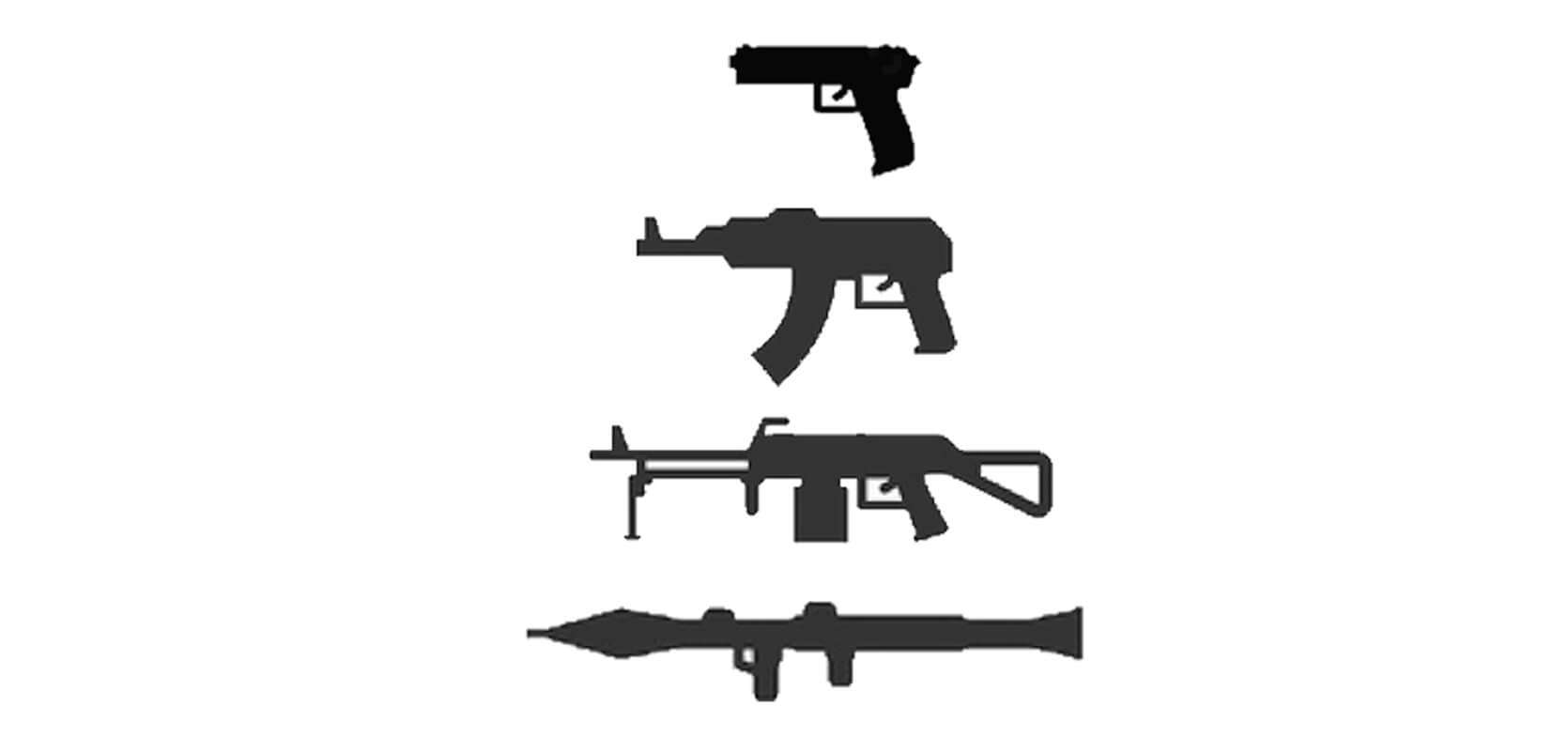
Threat Profile Review
Capability Overview
Protection level analysis for vehicles, routes, usage, passengers, and operational threats.
Usage, location, attack risk, visibility, and daily route conditions shape the recommended level.
Weight, suspension, drivetrain, glass area, and body structure are evaluated before specification.
Protection is balanced with comfort, drivability, maintenance, and long-term operational needs.
Process
Service Detail
The goal is to turn a security requirement into a practical specification that can be manufactured, inspected, exported, and used confidently.
Protection level is selected from route exposure, passenger profile, region, and likely attack scenarios.
Weight, suspension, body structure, glass area, drivetrain, and service expectations are reviewed together.
The result is a practical recommendation buyers can use before approving vehicle selection or armoring scope.
Specification Planning
The risk environment shapes the level and optional reinforcement needs.
Road quality, distance, visibility, and exposure are considered.
Occupants and payload determine cabin, glass, and mobility priorities.
The final recommendation balances security, weight, comfort, and project constraints.
Service Questions
The recommendation is based on route exposure, likely threat type, passenger profile, vehicle suitability, destination country, and how the vehicle will be used.
No. Higher protection can add weight, cost, and service complexity. The strongest recommendation is the level that matches the mission and the vehicle.
Yes. In fact, protection analysis is most useful before final vehicle selection because not every vehicle is ideal for every armor level.
No. This service applies standards to a real buyer case. The Ballistic Protection Standards page explains the protection language in more detail.
Related Planning
Related Services
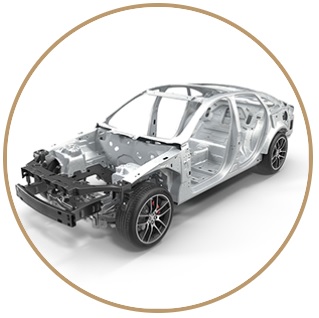 Building Armored VehiclesControlled armored vehicle manufacturing, disassembly, reinforcement, ballistic glass installation, finishing, and inspection.
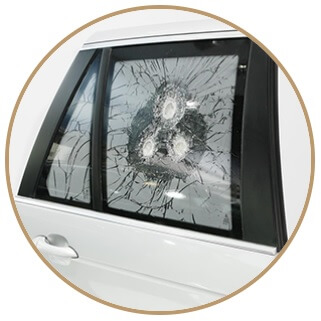 Ballistic GlassTransparent armor and ballistic glass solutions engineered for visibility and resistance.
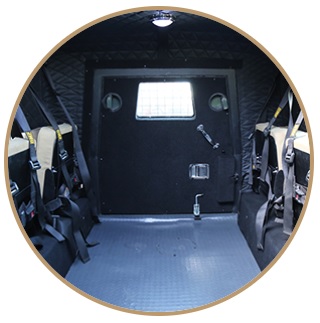 ArmoringVehicle armoring across protection levels 4, 5, 6, and 7, customized by vehicle and mission.
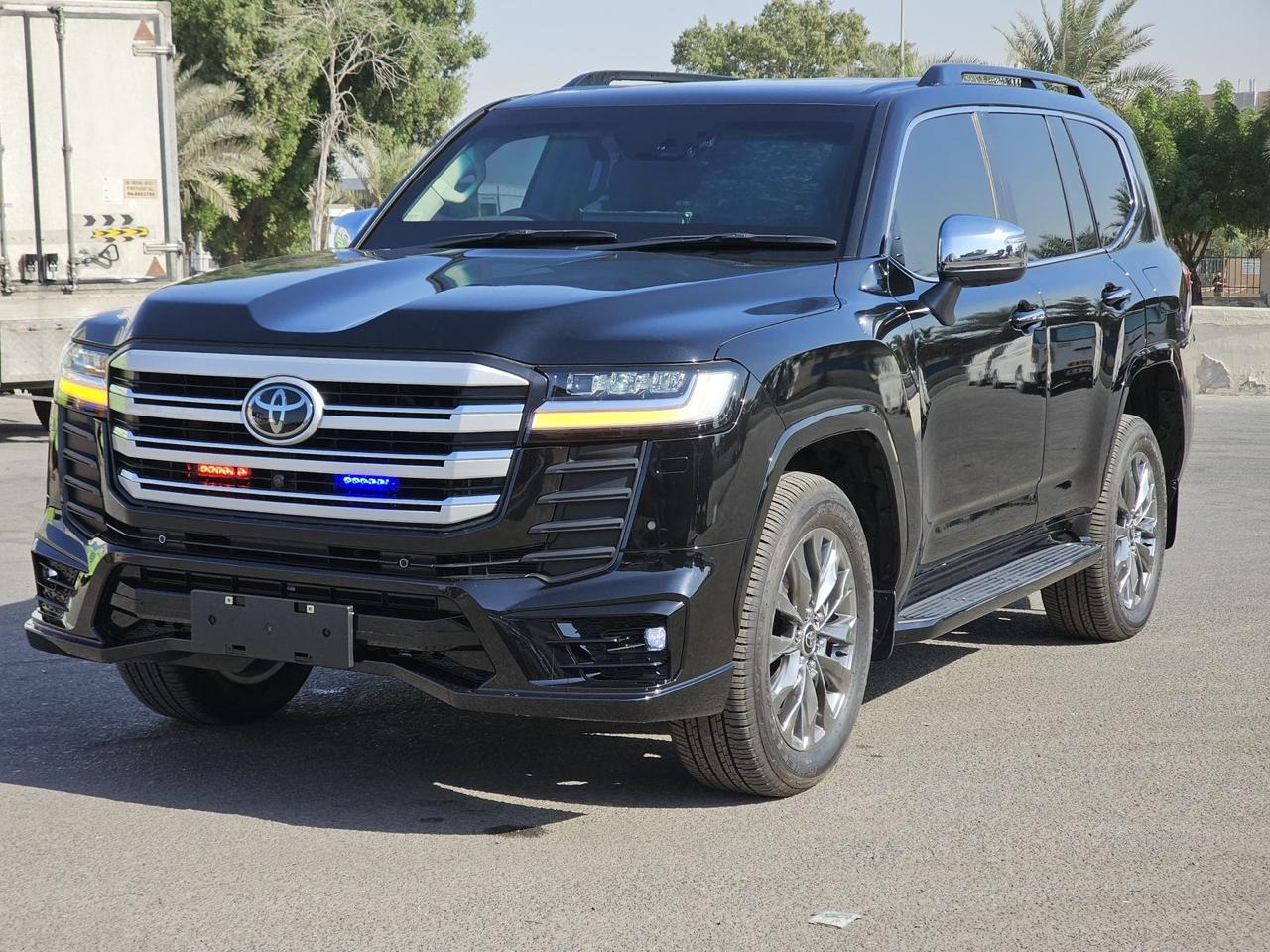 Destination ArmoringIn-country vehicle armoring and local protected vehicle production planned around feasibility, facilities, workforce, logistics, and joint quality controls.