
Start With Use Case
Tell SchutzCarr whether the vehicle is for personnel movement, convoy support, humanitarian access, infrastructure routes, or security operations.

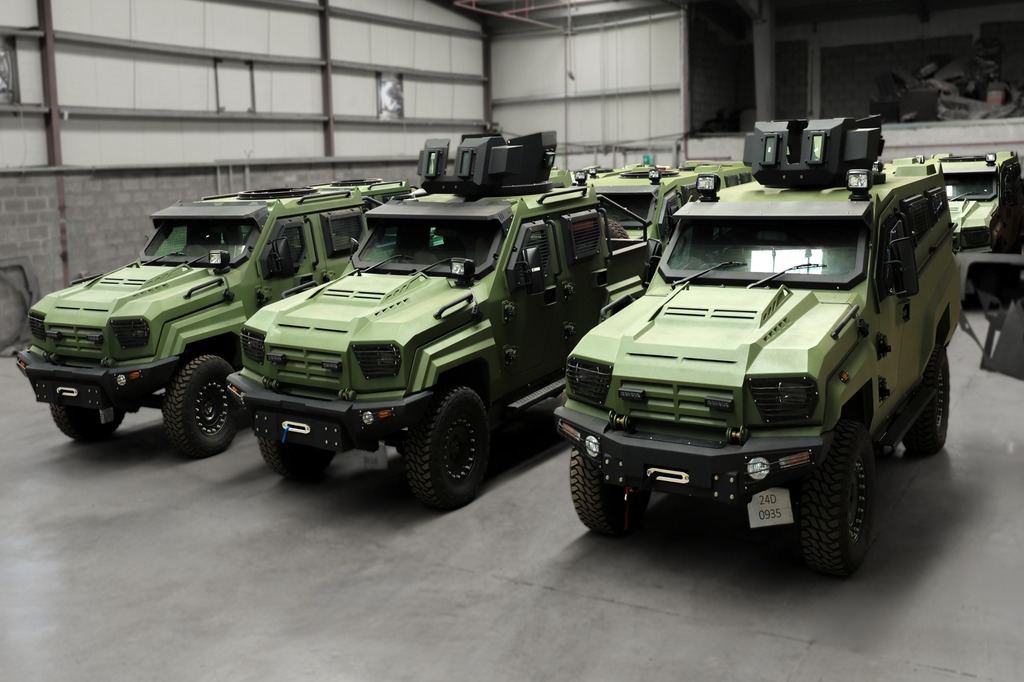
MRAP Buyer Guidance
Compare MRAP-style armored vehicles, APC options, mine-resistant mobility planning, route-support needs, protection levels, export requirements, and confidential inquiry steps.
Buyer Intent
Buyers searching for MRAP vehicles for sale are usually looking for a protected personnel vehicle that can support movement through difficult, remote, or higher-risk routes. The useful first question is not just “Do you have an MRAP?” It is “Which protected vehicle family fits the route, people, payload, and country?”
SchutzCarr helps buyers compare MRAP-style vehicles with armored personnel carriers, armored SUVs, and protected pickups so the inquiry starts with the right vehicle direction, protection review, availability path, and export plan.
Availability Review
Tell SchutzCarr whether the vehicle is for personnel movement, convoy support, humanitarian access, infrastructure routes, or security operations.
Review whether an MRAP-style vehicle, APC, protected pickup, or armored SUV fits the route, passenger count, visibility, and service plan.
Share the destination country early so documentation, inspection, port, and handover requirements are considered before final specification.
Use Cases
For security teams, government buyers, NGOs, and field operations, MRAP-style vehicles are reviewed when a standard SUV does not provide enough protected space, stance, or route confidence.
For routes with elevated risk, buyers should compare passenger count, visibility, underbody-risk review, tire mobility, service access, communications, and destination requirements before choosing a platform.
Diplomatic, humanitarian, infrastructure, and private-security programs may need protected transport that supports people, equipment, documentation, handover planning, and export control review.
MRAP Vs APC
MRAP-style vehicles are associated with mine-resistant and underbody-risk planning. Armored personnel carriers focus on protected transport and crew movement. In practice, serious buyers should compare the route, passengers, payload, protection direction, support plan, and destination rules before choosing.
Review Protection AnalysisRelated Buyer Paths
Protection Planning
MRAP and APC inquiries should review ballistic level, underbody risk, ballistic glass, tire mobility, payload, braking, suspension, and service expectations as one complete protected mobility package.
Compare Protection StandardsExport Planning
Destination country, port access, route conditions, technical documentation, inspection needs, registration expectations, and handover planning can affect the right MRAP or APC direction.
View Country PagesBuyer Questions
SchutzCarr does not publish vehicle prices or price ranges. Send the destination, intended use, passenger needs, protection direction, and timeline through a confidential inquiry for a tailored response.
Street legality depends on the destination country, vehicle configuration, documentation, import rules, registration requirements, and intended use. SchutzCarr can help frame the questions for a local compliance review before an inquiry proceeds.
Availability and legality depend on the destination country, vehicle configuration, documentation, and intended use. SchutzCarr can help buyers review suitable options for armored personnel transport, humanitarian support, route security, and export planning.
MRAP-style vehicles are usually reviewed for mine-resistant or underbody-risk planning, while armored personnel carriers focus on protected transport and crew movement. Some vehicles combine both priorities depending on platform, route, payload, and protection direction.
Yes, when properly configured. MRAP-style vehicles can support humanitarian convoys, embassy-grade movement, EOD support, medical layouts, and recovery roles in high-risk areas.
Yes. SchutzCarr can compare vehicle size, protection level, route conditions, serviceability, passenger count, payload, export requirements, and operating environment before recommending a direction.
Share the destination country, passenger count, route conditions, intended use, preferred vehicle family, protection direction, and timeline so SchutzCarr can frame the right confidential inquiry.
Confidential Next Step
Share the destination country, passengers, route conditions, vehicle preference, and protection direction. SchutzCarr can help frame the right inquiry.