

Answer First
Start With The Vehicle Type, Protection Need, And Destination.
Buyers searching for armored cars for sale usually need a clear path into the right vehicle family: armored SUV, armored sedan, armored pickup, armored personnel carrier, cash-in-transit vehicle, passenger transport, or a selected stock vehicle. SchutzCarr helps frame the inquiry around intended use, B4-B7 protection planning, export requirements, and confidential next steps.
What “Armored Cars For Sale” Should Mean
The phrase can mean different things depending on the buyer. Some buyers are looking for discreet executive sedans, others need luxury armored SUVs, APCs for crew movement, cash-in-transit vehicles, or a vehicle that is already ready for availability review. The useful first step is not just asking whether a car is armored. It is matching the platform to the risk, route, passengers, payload, country, and documentation requirements.
Armored Cars vs Bulletproof Cars
Many buyers use “bulletproof car” as search language, but the more precise term is armored vehicle. A serious specification reviews ballistic glass, reinforced body structure, door overlaps, run-flat mobility, suspension, braking, and the requested protection direction. If you are comparing B6, B7, BR6, FB6, or similar terms, start with the ballistic protection standards guide before choosing a vehicle.
Choose The Right Vehicle Family
- Armored SUVs for executive, family, diplomatic, and discreet daily protection.
- Armored sedans for lower-profile executive movement and private transport.
- Armored pickups for field work, convoy support, and mixed road conditions.
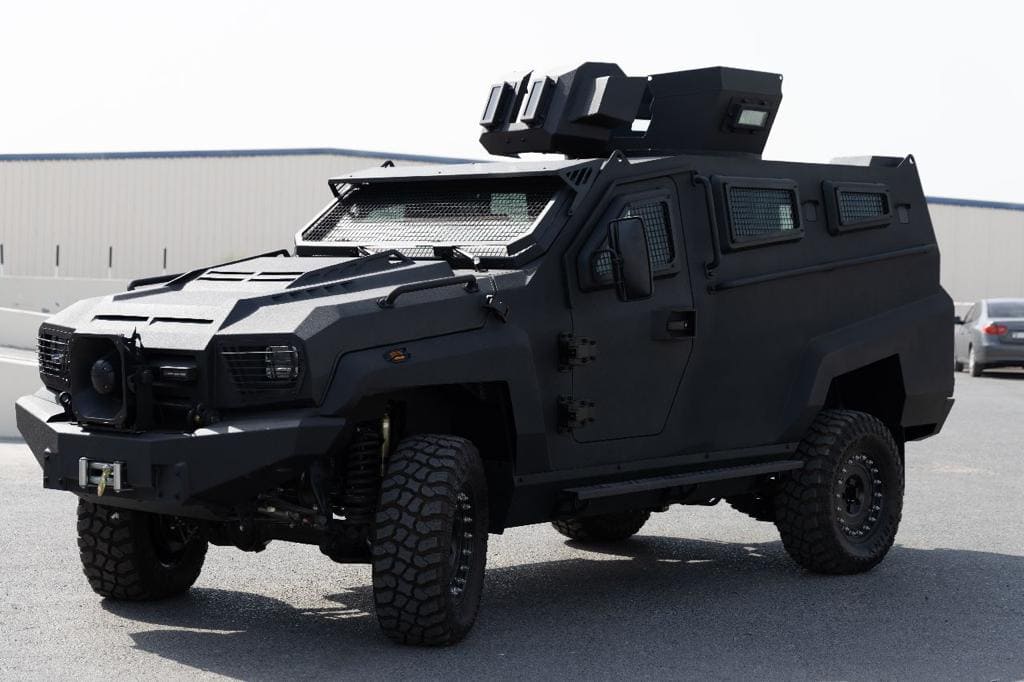
- Armored personnel carriers for crew movement, route security, and higher-capacity protected mobility.
- Cash-in-transit vehicles for secure movement of cash, valuables, and banking operations.
- Stock vehicles when the buyer wants to review selected vehicles already prepared for inquiry.
How To Compare Available Options
A clean comparison should include vehicle category, passenger count, payload, intended use, desired protection direction, destination country, route conditions, serviceability, documentation, and whether the buyer needs a stock vehicle or a custom build. This prevents the conversation from becoming a generic list of cars and keeps the request tied to the operational need.
Export And Country Planning
International armored vehicle buying depends on destination country, documentation, inspection, shipping route, local requirements, and delivery planning. If the request is country-specific, use the armored vehicles by country guide to start with local buyer intent before submitting an inquiry.
What To Share In A Confidential Inquiry
- Vehicle type or model preference.
- Destination country, port, or city.
- Intended use: executive, family, convoy, banking, passenger transport, fleet, or field operation.
- Passenger count, payload, and route conditions.
- Protection direction, if known, such as B6, B7, BR6, or FB6.
- Timeline and whether stock availability or custom armoring should be reviewed.
Next Step
If you are comparing armored cars for sale, start by choosing the closest vehicle family, then submit a confidential inquiry with the destination country and intended use. SchutzCarr can review the right buyer path before moving into vehicle-specific specifications.