
Vehicle Type
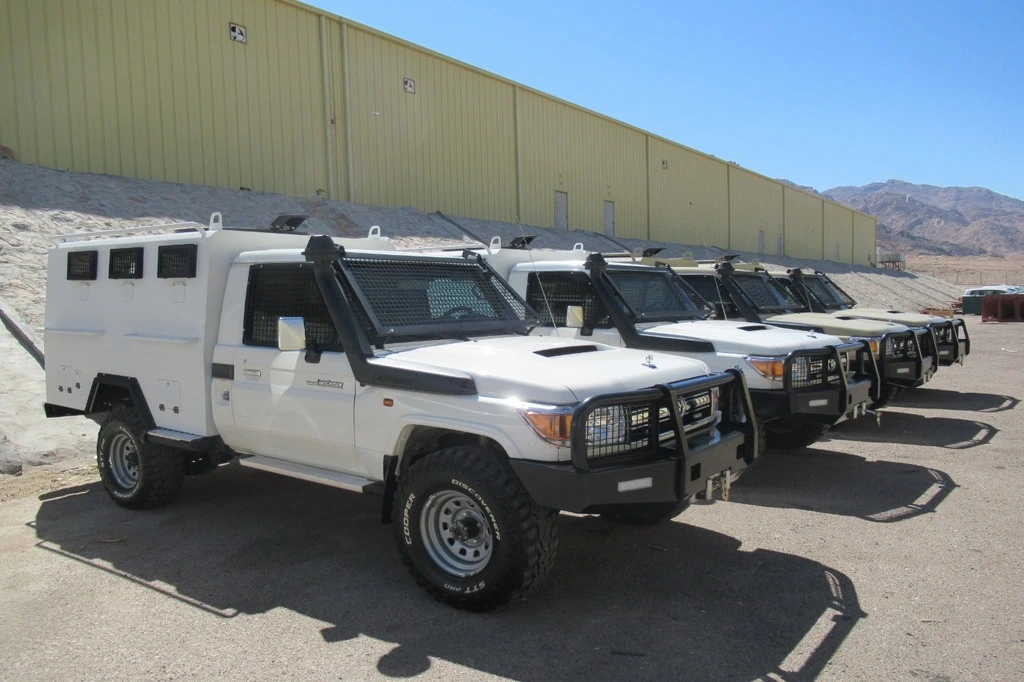
Start with the mission: executive SUV, discreet sedan, pickup, personnel carrier, CIT vehicle, or custom build.

Bulletproof Vehicle Guidance
Compare bulletproof cars for sale by vehicle type, intended use and destination. Explore armored SUVs, sedans and pickups, review the B4-B7 protection guidance below and request a confidential vehicle specification.
Answer First
Most buyers use “bulletproof car” to describe a protected vehicle with ballistic glass, reinforced body structure, protected passenger areas, run-flat tire planning, and other armoring features. The final specification should be based on the vehicle, threat profile, route conditions, protection level, passengers, and destination country.
SchutzCarr keeps the process precise: choose the right vehicle category, review the correct ballistic protection level, confirm export requirements, then move into a confidential inquiry with the details needed for the sales team to respond properly.
Vehicle Paths
Compare SUVs, sedans and pickups for passenger movement, or follow the dedicated APC and cash-in-transit paths for specialist requirements. Confirm the individual vehicle’s configuration and availability before ordering.
Specification Guidance
The strongest-looking specification is not always the best operational decision. The right armored vehicle balances protection, comfort, payload, serviceability, and route requirements.
Review Protection AnalysisStart with the mission: executive SUV, discreet sedan, pickup, personnel carrier, CIT vehicle, or custom build.
B4-B7, BR6, FB6, ballistic glass, steel package, run-flat tires, and weight planning should be reviewed together.
Family protection, executive mobility, government movement, NGO routes, banking logistics, and convoy needs require different decisions.
Country, port, road conditions, climate, documentation, inspection, and service expectations should be considered early.
Protection Levels
Bulletproof vehicle searches often lead to questions about B6, B7, BR6, FB6, ballistic glass, armor steel, and run-flat systems. Those terms should be reviewed as one protection package, not as isolated parts.
View Ballistic Protection StandardsExport Planning
Country, route conditions, climate, port access, documentation and local requirements can affect the specification review. For Dubai and UAE inquiries, read our UAE armored-vehicle buyer guide before sending your destination and vehicle requirements.
View Country PagesBuyer Questions
SchutzCarr does not publish vehicle prices or price ranges. Share the vehicle type, protection direction, destination, options, and timeline through a confidential inquiry so the team can respond with the relevant information.
A bulletproof car is commonly understood as a vehicle upgraded with ballistic glass, reinforced body structure, protected passenger areas, run-flat tire planning, and other armoring features. SchutzCarr uses armored vehicle and ballistic protection terminology because the exact specification depends on the vehicle, protection level, and use case.
In buyer language, the terms are often used together. Technically, an armored vehicle is specified around a full protection package, including ballistic glass, steel reinforcement, overlaps, doors, pillars, tires, suspension, braking, and other systems.
Common choices include SUVs, sedans, pickups, vans, passenger carriers, APCs, MRAP-style protected vehicles, and cash-in-transit vehicles. The right platform depends on passenger needs, route conditions, protection level, payload, and export requirements.
The right level depends on the threat profile, operating country, route, vehicle type, passengers, documentation needs, and mobility expectations. Many buyers review B6 or BR6 first, while higher-risk requirements may require heavier protection planning.
B6 and B7 describe different ballistic protection directions, but the correct choice depends on the threat profile, vehicle platform, route, weight, mobility, and destination requirements. SchutzCarr can review the distinction privately before specification.
Yes. SchutzCarr can review the destination country, port or city, vehicle type, intended use, protection level, documents, and delivery constraints before preparing a confidential inquiry response.
Confidential Next Step
Share the destination country, preferred vehicle type, intended use, passenger or payload needs, and protection level. SchutzCarr can help frame the right inquiry.